Bachata gets a reputation for being romantic and intimate, which it is. But here's the thing — it's also incredibly accessible, especially for people over 45 who might be thinking about dancing for the first time in decades. You don't need to be flexible, you don't need rhythm like a drummer, and you definitely don't need a partner lined up. We're going to walk you through exactly what to expect, what the basic steps feel like, and where you can actually find beginner-friendly events happening right now in Ireland.
A Quick Note
This guide is informational only and covers general bachata concepts. Every person's experience with dance is different based on fitness, flexibility, and previous movement experience. If you have any health concerns, it's always smart to check with your doctor before starting any new physical activity. The events and venues mentioned are for educational reference — contact local dance studios directly for current schedules and pricing.
The Basic Steps: What You're Actually Doing
Bachata's got a deceptively simple structure once you break it down. The basic step is a side-to-side movement, not forward and back like some other dances. You'll step side on count 1, bring your feet together on 2, then step to the other side on 3. That's literally the foundation. On counts 4-8, you're doing the same thing but starting from the opposite side. It's called the "basic box" even though you're not really making a box — you're just shifting weight side to side.
The rhythm itself is what makes bachata feel different. There's a little hip movement that happens naturally when you're doing it right — not forced, just organic motion that comes from how your body shifts weight. Don't overthink it. Most people over 45 pick up the basic step in about 10-15 minutes of actual practice. Honestly, the hardest part isn't the footwork. It's relaxing your shoulders and not thinking about what you're doing while you're doing it.
What to Wear (It's Not What You Think)
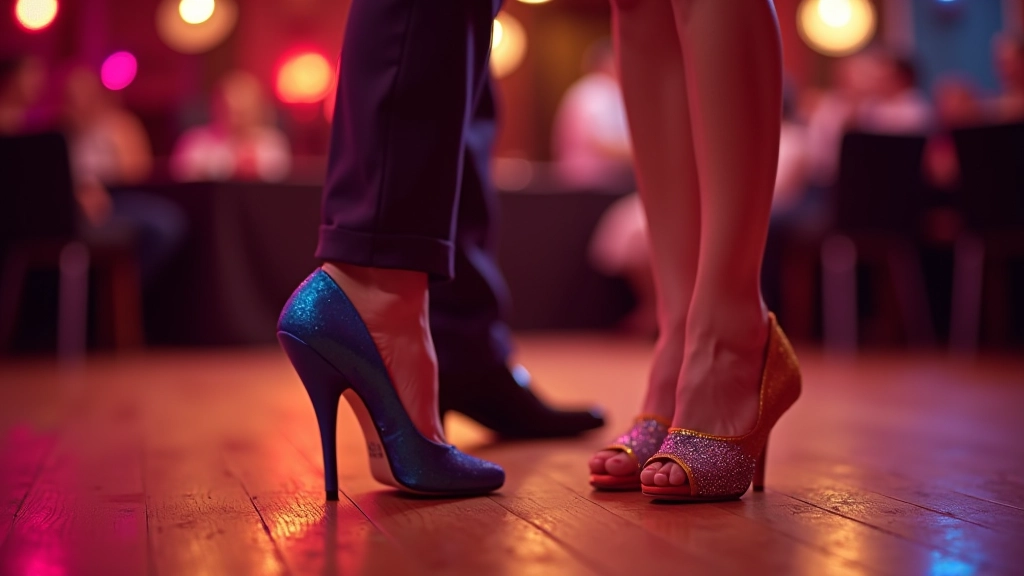
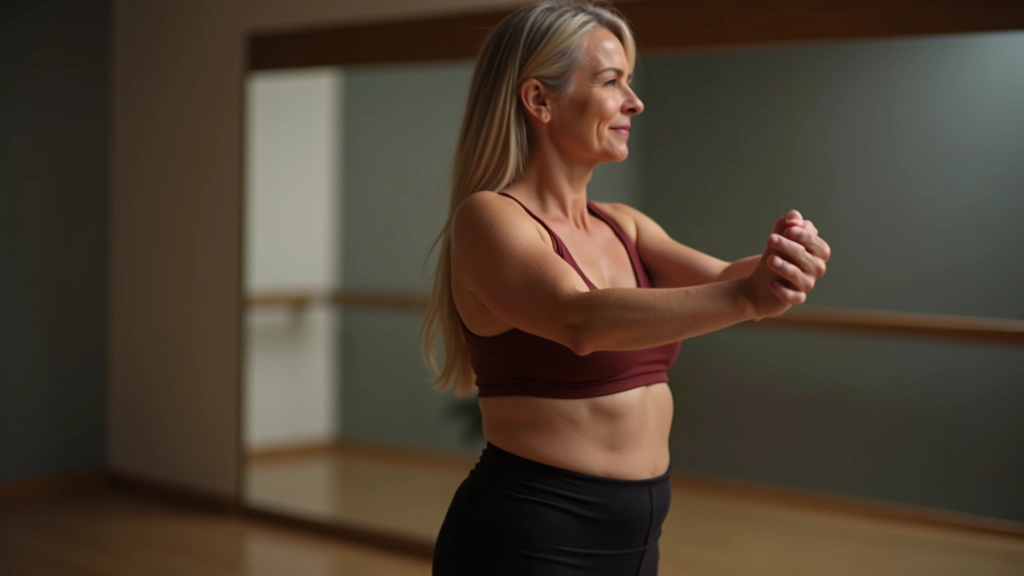
You'll see Instagram posts of people in fancy dance dresses and heels, which is fine if that's your thing. But honestly? That's not what most people wear to beginner events in Ireland. Comfort matters way more than style when you're learning. Wear something that lets you move — trousers that aren't too tight, a top that doesn't restrict your shoulders, shoes with a little bit of sole flexibility so you can feel the floor.
Dance shoes aren't mandatory for your first class, but they're genuinely worth getting. They're not expensive — around €25-40 for basic ones — and they make a real difference in how your feet feel. The soles slide easier on the floor, which means your body can rotate properly without your feet fighting against friction. Regular trainers or shoes with rubber soles? You'll stick to the floor and your knees will hate it.
The Social Side: How Events Actually Work
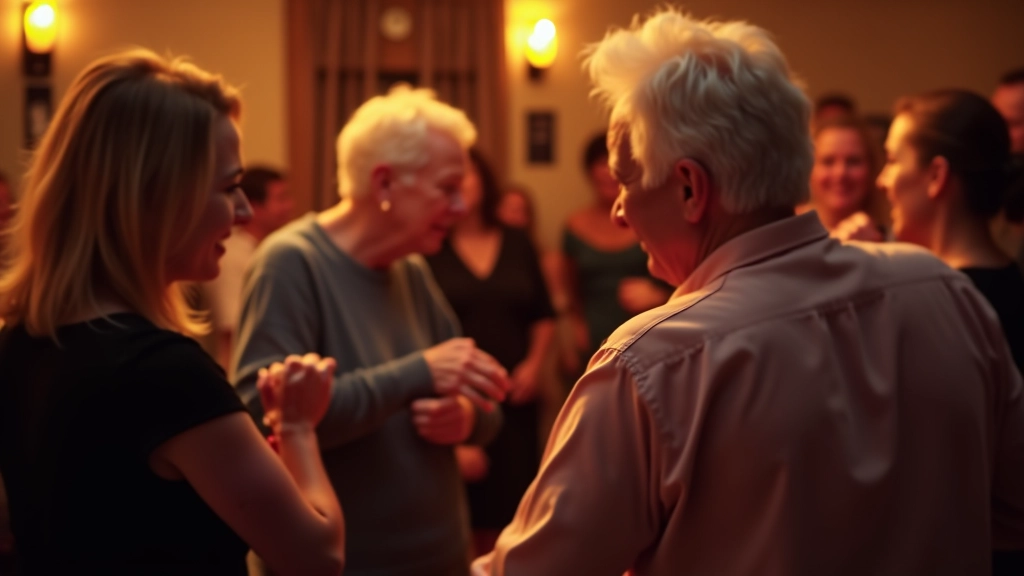
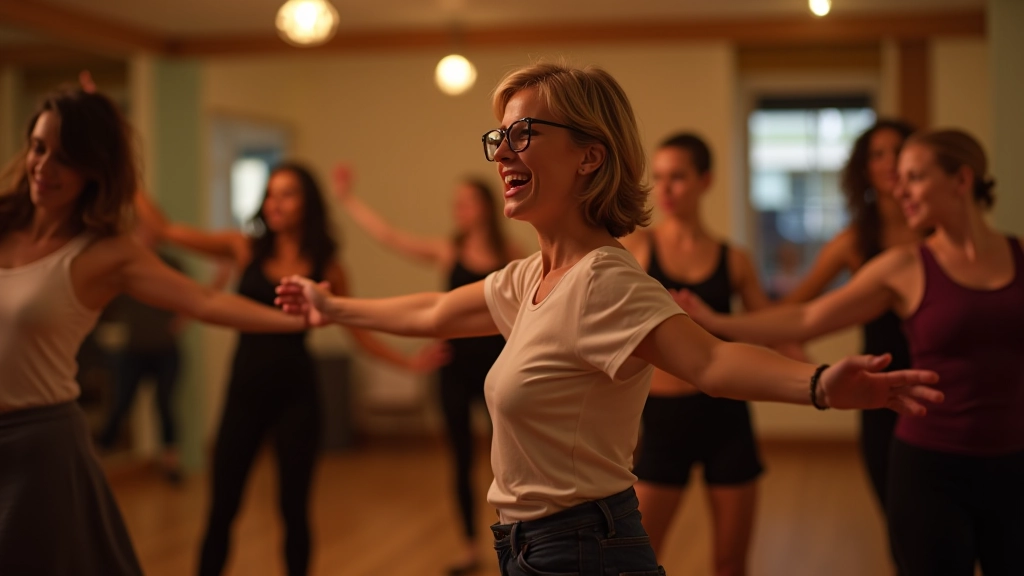
This is probably what's making you nervous, and we get it. You're thinking about asking someone to dance, or being asked, and that feels vulnerable. Here's the actual reality: beginner-friendly bachata events aren't high-pressure. Most nights have a structured class for the first hour — that's where you learn with everyone else. Then there's social dancing, which means you can dance with different people, or sit it out, or just watch. Nobody's keeping score.
In Dublin, you'll find beginner nights at spots like the Smithfield dance studios on Tuesday evenings. Cork's got weekly meetups on Thursdays that specifically welcome people just starting out. Limerick's scene is smaller but growing, with regular Friday nights at a few local venues. The vibe at these events is genuinely supportive. Everyone remembers being new. You'll get encouraged, not judged.
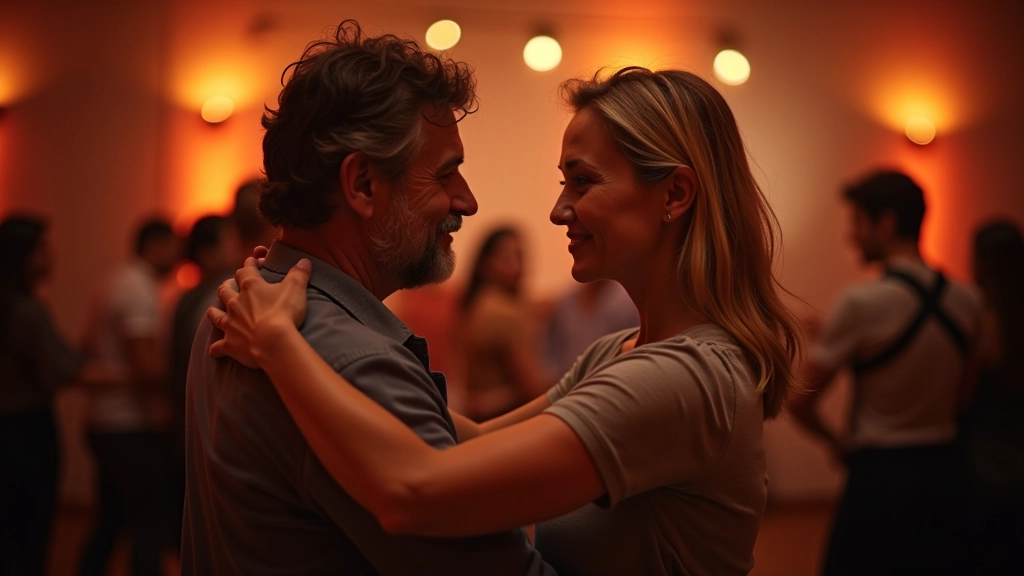
And the partner thing? You don't need to show up with one. Most events have a mix of solo people and couples, and it's completely normal to ask someone "Want to try this song?" or to get asked yourself. If you'd rather not dance a particular song, just say "Thanks, maybe next time" and nobody minds.
Physical Reality: What to Expect from Your Body
Your legs will probably feel it the first few times. Not painful, just tired. The basic step doesn't require big movements, but it does require your legs to be engaged for 3-4 minutes at a time while you're holding a frame with someone. That's different from walking around. Your shoulders might feel tight too — not because the dance is hard, but because you're probably holding tension when you're concentrating.
By week three or four, you'll notice your posture getting better. Bachata teaches you to stand taller, which carries over into regular life. Your confidence goes up too. There's something about moving to music with another person that shifts something in how you carry yourself. Most people over 45 who've been dancing for a couple of months say they sleep better and feel less stiff in the mornings.
Finding Your First Event
You've got options depending on where you are in Ireland. In Dublin, beginner-friendly bachata nights are running at multiple venues now. Most have a 7-7:30pm beginner class, then social dancing from 8pm onward. You can show up solo, no partner required. The instructors are used to teaching people who haven't danced in 20 years.
Cork's got a different vibe — more community-focused weekly meetups where people know each other but are always welcoming newcomers. Limerick's scene is smaller, but that actually means less pressure. You'll recognize faces faster and people are genuinely invested in helping each other improve.
The best approach? Call the studio or venue directly and ask specifically: "Do you have beginner classes?" and "Can I come solo?" Those two questions will tell you everything. If they say yes to both, you're in the right place.
The Real Talk
Bachata isn't complicated, and it's definitely not just for young people. You'll probably feel self-conscious in your first class — most people do. But that feeling goes away faster than you'd think. By song three or four, you'll be too focused on the steps to worry about how you look. And after a few weeks? You'll actually be looking forward to it. There's something about moving to music, connecting with other people, and learning something new at any age that just feels good.
So if you've been thinking about giving it a try, stop thinking and actually book that first class. Worst case? You spend a couple of hours learning something new and meeting people. Best case? You find something you actually love doing.